Project intake: load, route, duty and service evidenceRequest the correct regional contact
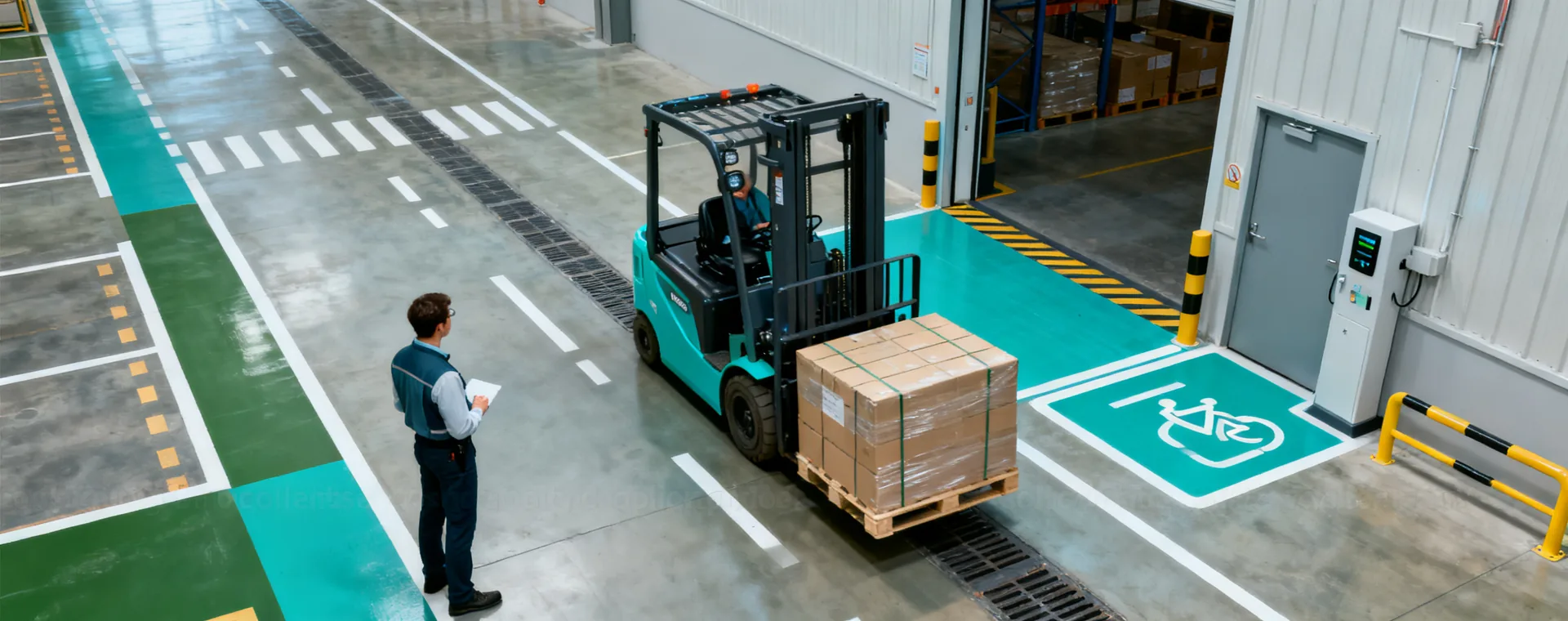
Forklift application engineer observing a representative pallet handling route
Application to handover

Baoli Services

Turn a product question into a documented operating case: measure the load and route, check configuration boundaries, prepare representative acceptance tasks and make maintenance ownership visible before release.

Three connected work packages

Keep the site, truck and operating team in the same conversation

Actual availability and deliverables depend on region, selected equipment and the issued project scope. These packages organize the questions that normally need an owner.

01

Application review

Record mass, dimensions, load center, lift height, pallet entry, attachments, working aisle, gradients and surface conditions. Distinguish nominal rated load from the residual-capacity question at the required height and load center.

02

Commissioning context

Prepare representative loads and routes, inspection points, operator authorization, traffic rules and abnormal-state checks. The handover basis should name who can isolate, inspect, restart and release equipment after an exception.

03

Lifecycle readiness

Connect maintenance access, daily checks, diagnostic information, wear items, critical parts and escalation contacts to the shift plan. A service plan is only useful when the location, equipment identity and operating window are clear.

Four-step process

Move from observation to a controlled release

1

Observe

Walk the route during a representative shift. Note load variation, queueing, crossings, floor transitions, door states and current workarounds.

2

Define

Set the application basis: rated and residual capacity checks, aisle envelope, lift cycle, energy window, attachments and local compliance review.

3

Verify

Use agreed loads and tasks to examine normal operation, visibility, braking, parking, warnings, charging and operator intervention under site rules.

4

Handover

Close open items, record training and inspection responsibilities, identify service routing, and retain the approved configuration and acceptance evidence.

A FAT/SAT vocabulary may be useful for integrated or automated systems; conventional industrial-truck commissioning still requires a documented site check and local legal review. The label does not replace the method.

Service response begins with an identifiable asset and operating condition

Provide equipment identity, location, observed symptom, active warning, load state and whether the area is safely isolated. Do not continue operating equipment when site procedures require it to be removed from service. Response time, parts supply and on-site coverage are contractual and regional matters—not universal website guarantees.

  • Asset and configuration reference
  • Photos or diagnostic record
  • Safety and isolation status
  • Production impact and access window
Route the question correctly

Share the evidence behind the request

For application review, include the load and route. For a service question, include equipment identification and observed condition. For commissioning, add the representative test tasks, operator roles and acceptance owner.

  • Measured values separated from assumptions
  • Market, site and equipment identity
  • Normal task plus the critical exception
  • Required decision or operating window

Information is handled according to our Privacy Policy.